How Biopsy Samples Help Pathologists Diagnose Human Disease

How Biopsy Samples Help Pathologists Diagnose Human Disease

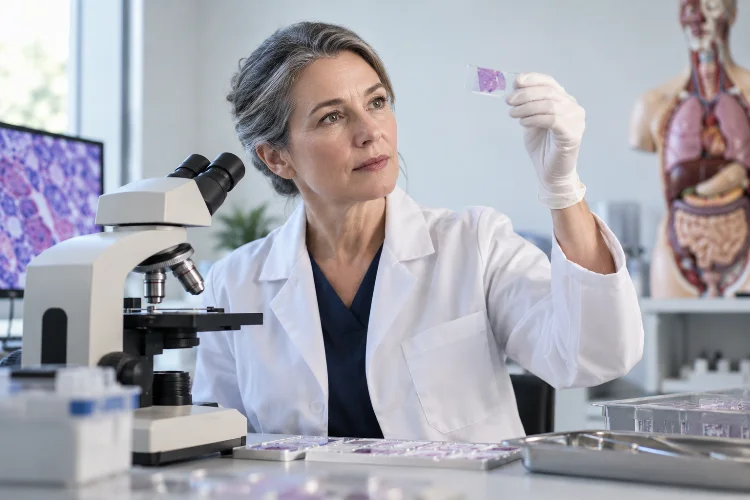
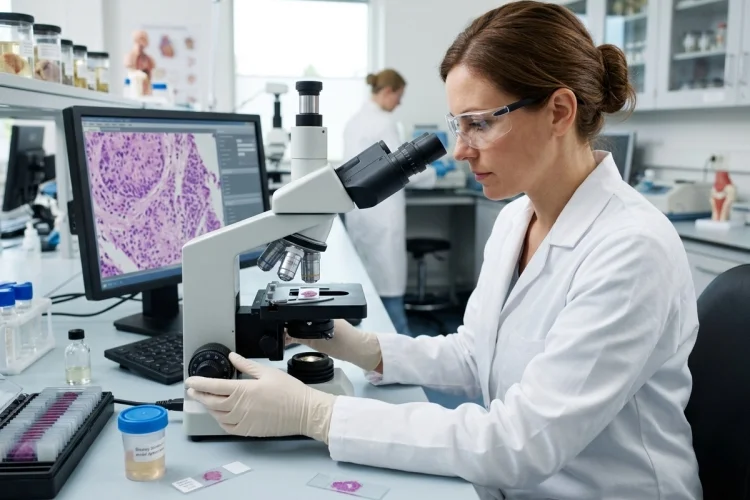
A scan can reveal a suspicious lump. A blood test can suggest that something is wrong. Symptoms can point doctors toward several possible diseases. But sometimes the clearest answers come from looking directly at the affected cells and tissues. That is where a biopsy sample becomes incredibly valuable. A biopsy involves removing cells or tissue … Read more

How Acute Inflammation Protects the Body from Tissue Injury

How Acute Inflammation Protects the Body from Tissue Injury

A cut on your finger can become red, warm, swollen, and painful within minutes. Those changes may feel uncomfortable, but they are not simply signs that something has gone wrong. They are part of a carefully coordinated defense system called acute inflammation. Acute inflammation is the body’s rapid response to tissue injury, infection, or other … Read more

How Cells Respond to Stress, Injury, and Changing Conditions

How Cells Respond to Stress, Injury, and Changing Conditions

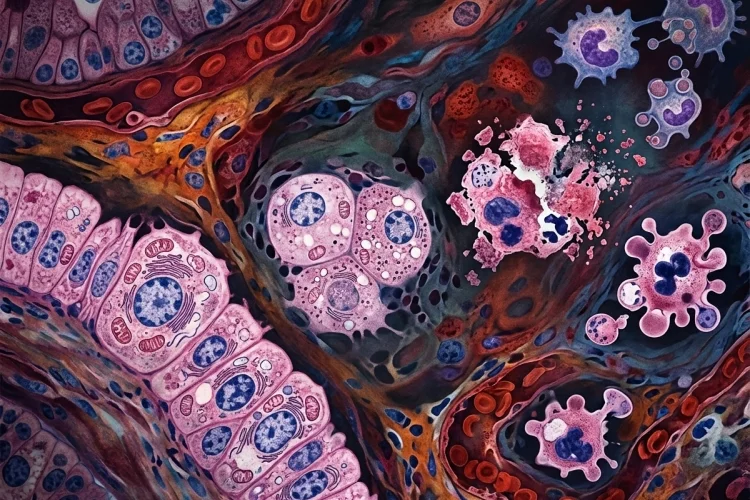
Cells may be tiny, but they are constantly making adjustments to survive. Every day, they deal with changes in oxygen supply, nutrients, hormones, workload, temperature, toxins, infections, and many other environmental pressures. So, how do cells respond to stress, injury, and changing conditions? The answer depends largely on how intense the stress is, how long … Read more

What Is Pathology? A Clear Guide for Medical Learners

What Is Pathology? A Clear Guide for Medical Learners

When medical students first encounter pathology, it can feel like stepping into a completely new language. Suddenly, terms such as etiology, pathogenesis, necrosis, inflammation, and neoplasia appear everywhere. But underneath all that terminology is one fairly simple question: what happens to the body when disease develops? So, what is pathology? In simple terms, pathology is … Read more