How Normal Cells Transform into Malignant Cancer Cells

How Normal Cells Transform into Malignant Cancer Cells

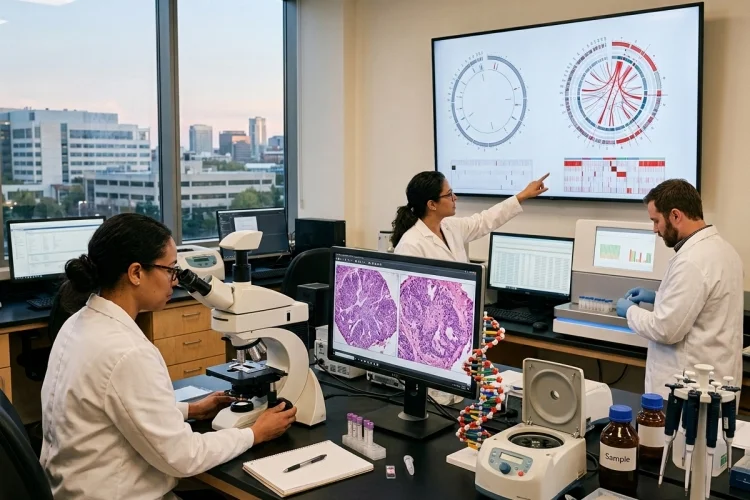
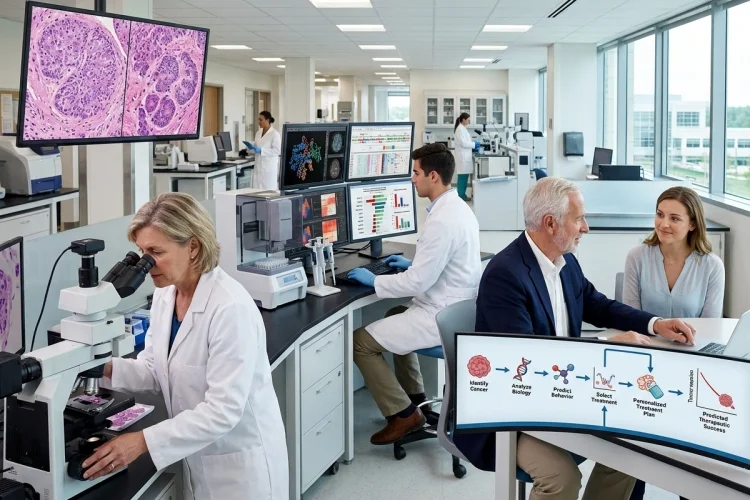
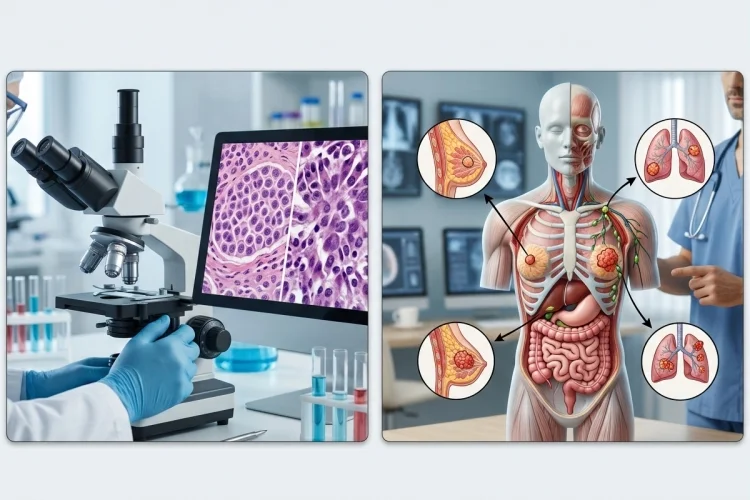
Cancer rarely begins because one normal cell suddenly decides to become dangerous. In most cases, the transformation happens gradually as cells accumulate genetic and biological changes that allow them to behave differently from their healthy neighbors. Normal cells follow strict rules. They divide when needed, respond to signals telling them to stop growing, repair damaged … Read more

How Normal Haemostasis Stops Bleeding After Vascular Injury

How Normal Haemostasis Stops Bleeding After Vascular Injury

A tiny cut can damage dozens of blood vessels, yet most minor injuries stop bleeding within minutes. That quick response is possible because the body has a highly coordinated system called haemostasis. Normal haemostasis stops blood loss at the site of vascular injury while keeping blood flowing normally everywhere else. It is not simply “blood … Read more

How Autoimmune Disease Develops from Loss of Self-Tolerance

How Autoimmune Disease Develops from Loss of Self-Tolerance

The immune system has a difficult job. It must react aggressively against viruses, bacteria, and other threats while leaving the body’s own cells alone. Most of the time, it handles this distinction remarkably well. That protection depends on self-tolerance, a collection of mechanisms that prevent immune cells from attacking normal tissues. When these mechanisms fail, … Read more

How Neutrophils Respond to Acute Infection and Inflammation

How Neutrophils Respond to Acute Infection and Inflammation

When bacteria enter a wound or tissue becomes suddenly damaged, the immune system does not have time to wait for a slow response. It needs cells that can arrive quickly, identify danger, attack microorganisms, and help contain the problem. Neutrophils are among the most important cells performing that job. These short-lived white blood cells are … Read more

How Iron Deficiency Changes Red Cells and Their Indices

How Iron Deficiency Changes Red Cells and Their Indices

A complete blood count may show low hemoglobin, but that number alone does not tell the whole story. To understand what is happening in anemia, medical learners need to look at the red blood cells themselves: their size, hemoglobin content, and how much they vary from one cell to another. Iron deficiency creates a particularly … Read more

What Is Hematopathology? A Guide for Medical Learners

What Is Hematopathology? A Guide for Medical Learners

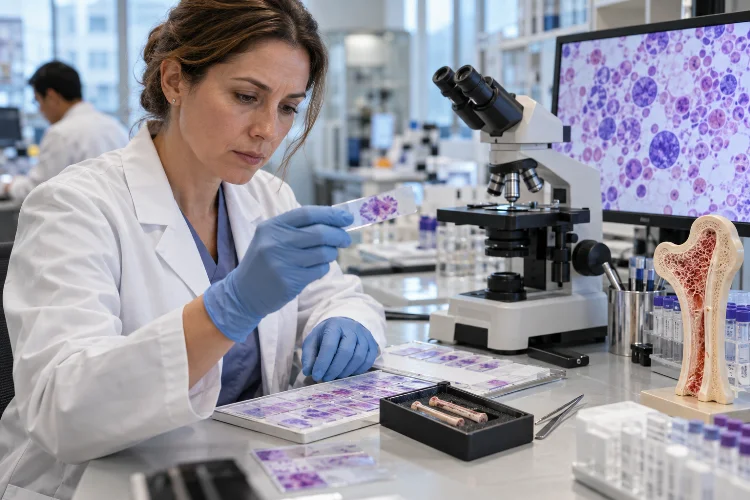
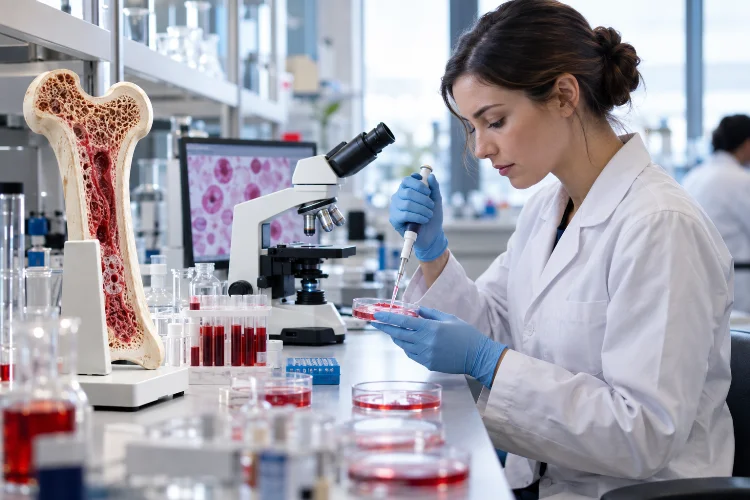
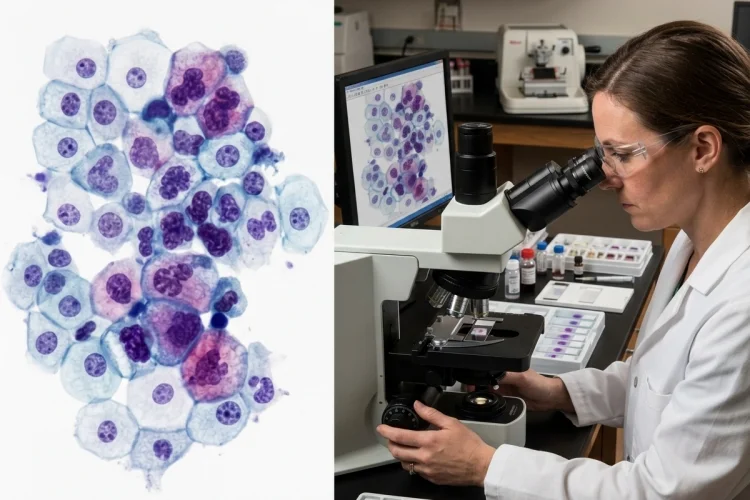
A routine blood test can tell you that a patient’s white blood cell count is unusually high. But it cannot always explain why. Is the increase caused by infection, inflammation, leukemia, or another bone marrow disorder? Answering that question often requires a closer look at the cells themselves. That is where hematopathology comes in. So, … Read more

How Glomerular Disease Damages the Kidney’s Filtration Units

How Glomerular Disease Damages the Kidney's Filtration Units

Your kidneys filter enormous amounts of blood every day, yet they normally keep valuable components such as blood cells and most proteins inside the circulation. Much of this remarkable filtering happens inside microscopic structures called glomeruli. Each glomerulus works like a highly selective filter. Water and small dissolved substances can pass into the forming urine, … Read more

How Fatty Liver Progresses to Inflammation and Scarring

How Fatty Liver Progresses to Inflammation and Scarring

A fatty liver can sound fairly harmless. After all, the liver naturally handles fats every day. The problem begins when more fat enters or is produced in liver cells than the organ can safely process, store, or export. This condition is now commonly called metabolic dysfunction-associated steatotic liver disease (MASLD) when liver fat occurs alongside … Read more

How Gastritis and Ulcers Damage the Stomach Lining

How Gastritis and Ulcers Damage the Stomach Lining

The stomach has an unusual job. It produces strong acid and digestive enzymes that help break down food, yet it must protect its own tissues from those same chemicals every day. Normally, a specialized stomach lining, or gastric mucosa, keeps this aggressive environment under control. Mucus, bicarbonate, healthy blood flow, and tightly connected epithelial cells … Read more

How Pneumonia Changes the Air Spaces and Tissues of the Lung

How Pneumonia Changes the Air Spaces and Tissues of the Lung

Healthy lungs are mostly about air. With every breath, oxygen travels through branching airways until it reaches millions of tiny air sacs called alveoli. Their thin walls allow oxygen to move into the blood while carbon dioxide travels in the opposite direction. Pneumonia changes this carefully designed system. When microorganisms infect the lung, the immune … Read more